Successful Teams Need These 3 Things

Here’s a secret: left to their own devices, intergenerational teams will not naturally become successful teams. Research backs this up: teams with greater age diversity tend to experience more frustration and conflict…unless there is a proactive strategy in place to help overcome these challenges and reap the rewards that lurk underneath. Gentelligence is that strategy.
Why the conflict?
There are many reasons why age diversity can lead to conflict in otherwise successful teams, but let’s talk about one big phenomenon: age polarization. Without intervention, people in the workplace tend to gravitate to people they perceive as being similar to them in some kind of meaningful way. In this case, it’s age.
The scientific term for this is “homophily”. It’s a psychological term that taps into the safety we feel by sticking close to those we see as “like us”. According to the article Birds of a Feather: Homophily in Social Networks:
“Homophily limits people’s social worlds in a way that has powerful implications for the information they receive, the attitudes they form, and the interactions they experience.”
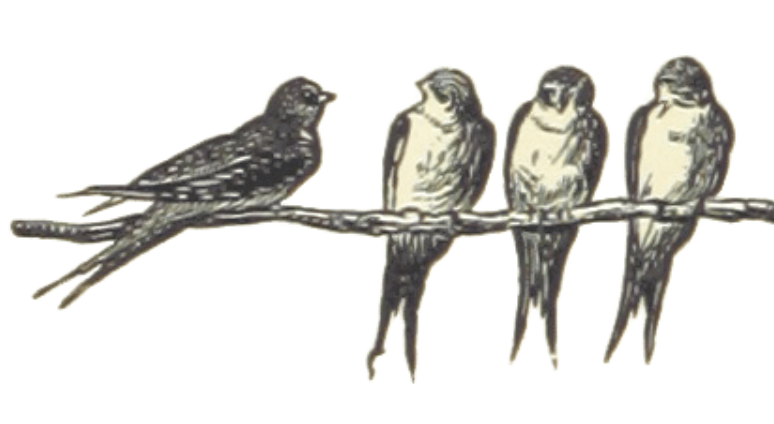
Think about the colleagues you are closest to at work. Chances are, they are likely similar to you in age (give or take 5-10 years).
This might not seem like a big deal, but this phenomenon can have unexpected consequences on successful teams in the workplace. When we don’t regularly interact with people who are significantly older or younger, we lack personal connections to people in other generations. This leads us to rely instead on vague generalizations of “those people”. THIS is the stuff stereotypes are made of.
How do we overcome it?
To combat those stereotypes, we have to find ways to replace generalizations with personal, trusting connections of teammates of different generations. When it comes to our most successful teams, strong connections are built up by using the Gentelligent Team Trifecta (I love a good trifecta!). It’s made up of 3 key elements: support, structure, and significance.
Support:
We lack natural trust in those we perceive as different than us, regardless of whether this is rational. When it comes to team members of different generations, age differences can be interpreted as threatening. For those who are younger, a lack of work experience can make them question whether their input will be valued by older teammates. They can also worry that their questions will be seen as a sign of a lack of competence. For older teammates, they may have similar worries–that their views will be written off as outdated, or that their questions will be perceived as critical by those wanting to try new approaches.
On both ends of the generational spectrum, the team is lacking what is known as psychological safety. Professor Amy Edmonson defines it as “a shared belief held by members of a team that the team is safe for interpersonal risk-taking.” In other words, everyone (of every age) needs to believe their team is a safe place for them to ask questions and a safe place for them to share their best ideas. That is after all the entire point of successful teams: to build together what we cannot create on our own.
To create psychological safety, leaders need to break our natural tendencies to stay close to those similar in age, and instead proactively create meaningful opportunities for team members to both get to know each other personally as well as work together on things that matter. When we have an opportunity to hear the stories of a Baby Boomer or the first-hand experiences of a Millennial teammate, it becomes much harder to reduce them to a stereotype. When we are tasked to work together toward a shared team goal, we begin to see how the unique perspectives and expertise of those who have grown up in different times can be an asset to accomplishing what matters to us all.
At your next Zoom meeting, try setting up an anonymous poll to see how comfortable team members report being with asking questions or suggesting ideas. The answers will clue you in to the relative degree of support perceived by your team.
Structure:
The only way successful teams can create unique value is to make sure all voices have a chance to be heard. All kinds of factors associated with age and generation can make it unlikely this will happen naturally. Those with greater tenure are often looked to as the de facto captains of any team. When those natural feelings of threat emerge while faced with the input of those older or younger than us, we can begin to elbow for what the Center for Creative Leadership calls “clout.”
According to Deal, “Most conflicts have to do with the natural desire of older people to maintain their clout and the desire of younger people to increase theirs. As organizations increasingly promote younger people over older people, elders naturally work to maintain the balance of power—in their favor—by appealing to their greater experience.”
We can neutralize these issues by creating a Gentelligent team structure: establishing decision-making processes and norms that are designed to give all voices (regardless of age) equal weight and air time. There are many to choose from. In our book, we talk about strategies like anonymous input submission, where one person reads all the entries and each is given equal attention (this can be used for questions or brainstorming), removing the sometimes unconscious biases we can attach to input from those who are younger or older.
What process could you create for your own team that would allow all voices to be heard?
Significance:
We are in the midst of the Great Resignation, and employees across generations are contemplating what they want their careers to look like moving forward. The number one reason people leave their jobs? They don’t feel appreciated. This means every single member of your team needs to feel they are an important.
Our need to feel respect is a universal one. However, where we often fall into the generation gap is when we fail to realize that the way we fulfill those needs might look quite different based on our generational norms, and to some extent our life/career stage. For a team member with decades of tenure (such as our Boomers and Gen Xers), sharing the lessons they’ve learned (and how they learned them) is often seen as a way to invest in the future of the organization by passing on their earned wisdom. Especially in a time when so much attention seems to be put on the newest tools and ideas, knowing teammates value the expertise gained over time matters.
Younger team members may still be trying to prove themselves and carve out their place in the organization. Millennials and Gen Zs grew up learning that their voice mattered. Parenting norms for both these generations emphasized the importance of children’s self-esteem and placed them as the central focus of family time and resources. These formative experiences mean our younger team members need to be heard and have their input considered on its own merits, and not discounted because they come from someone with less experience.
The bottom line? Everyone needs to feel they are a valuable and important part of the team but may define these experiences differently. Ask your teammates how they define terms like “success”, “recognition” and “appreciation”–and whether they experience them as a part of your current team.
Check out chapter 6 of Gentelligence: A Revolutionary Approach to Leading an Intergenerational Workforce for more on intergenerational struggles towards forming successful teams – and practical ways to overcome them. (Fun fact: Chapter 6 was our favorite one to write!).