How the Wizard of Oz Can Help Us Lead Gen Z
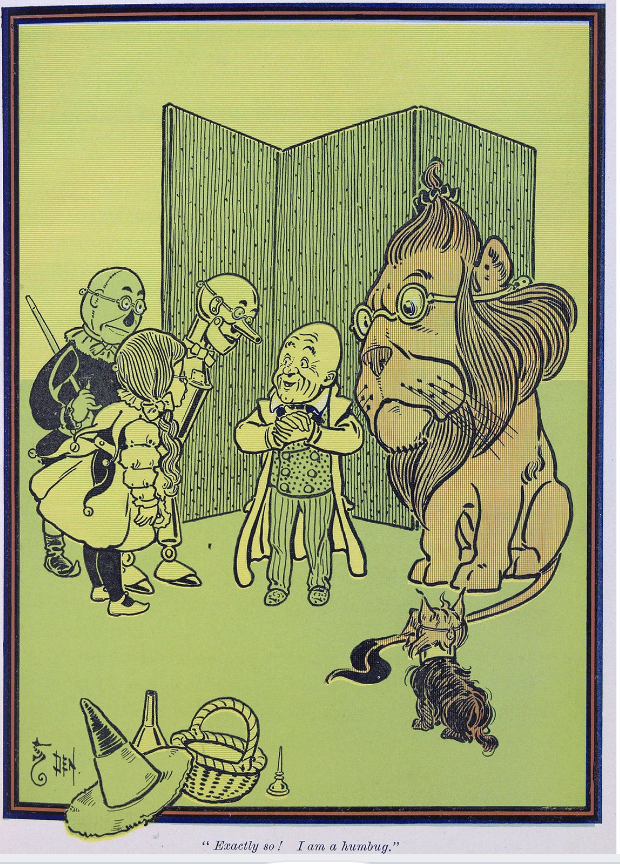
“Pay no attention to that man behind the curtain!”
Many of us in older generations will recognize this sentiment, not just from that classic Wizard of Oz, but as the prevailing management philosophy as we began our careers. Whether it was decisions made above our pay grade or an understood workplace norm that it wasn’t yet our place to question the status quo, the tradition of passively accepting even the most dysfunctional practices as “just the way things were done” was deeply embedded.
Of course, the roots of this can be traced back to the dominant parenting philosophies for Boomers and Gen X: “Because I said so, that’s why!” Children should be seen and not heard. Many of us grew up in an era when it wasn’t our place as younger people to ask questions, and we took that with us to work.
Fast forward to our younger generations and the parenting trends that dominated their earlier years: children as the central concern of the family. Investing in their development, interests, and potential talents from a young age to give them a leg up later in life. These generations were raised to have a strong voice and grew up with their needs being the center of family time and resources.
They also grew up with something earlier generations did not have: unlimited access to information and explanation. While information was reserved for parents, bosses, and the World Book encyclopedia for older generations, younger ones have never had barriers to answers. Until they reached the workplace, when suddenly the reasons why things were done in particular ways became inaccessible to them. If you grew up being able to find the Why whenever you wanted it, suddenly existing in a world where it was unclear would be disorienting and frustrating.
Behind the Curtain
Our workplaces are rife with what I call “Behind the Curtain” practices: processes or rules that may make sense to those who created them but few others, norms that have existed for as long as anyone can remember but that no one has ever stopped to analyze or explain. Older generations accepted the curtain and largely left it alone, figuring we would be able to change things later on when it was our turn. Our norm was not to question what was behind it, even if knowing would have helped us do our work better.
Now, let’s bring in Gentelligence.
Identify Assumptions
The first practice of Gentelligence is to Identify Assumptions. Older generations tend to assume that our youngest employees will understand and accept the norms that preceded them, even though they’ve grown up learning an entirely different set of norms to navigate the world they are entering. We assume they are signing up to obediently follow the same set of operating procedures we did. We can insist they adopt the existing norms without question or explanation, but there’s a cost to that choice: their disengagement and turnover.
And this is where the tension occurs: older generations accepted the curtain and we assumed the next generation would naturally do the same. It can seem entitled from our lens when they want explanations. On some level, we expect them to do as we did, accepting those in charge had the right to make the policies and trusting that things were the way they were for a reason.
Assumptions are made here on the part of younger people as well, specifically, that assumption that their unlimited access to information and explanation should extend into the workplace as well and that, as part of the organization, they should have access to the information they want and need. Perhaps the greatest assumption that is often made is that, just like Google, everyone will be happy to provide information when asked. I’ve had multiple experiences of assuming my students or my younger colleagues understand that the way they are approaching me or a workplace situation is a deviation from the way it’s typically been done, only to learn that they are assuming people have always operated by the same norms they use.
Adjust the Lens
Next, we must Adjust our Lens (Gentelligence Practice #2). This is where we focus on understanding the generational perspective that seems counter to our own (be curious, not judgmental).
Older generations who put themselves in the shoes of their younger colleagues are likely to better understand that a sudden lack of information and explanation after a lifetime of unlimited answers would be concerning and surprising, almost like being asked to navigate a new place without GPS. From this lens, it makes sense they would be searching for explanations, questioning why things are a certain way, and feel relatively lost when explanations are not clear.
Younger employees also need to Adjust the Lens, but this can be more difficult. In my work, I’ve found that often the youngest generation in the workplace is unaware that their norms differ from those who entered the workforce before them. (This becomes apparent soon enough, but usually through unfortunate communications such as “In my day, we never questioned policy!”). Helping our younger colleagues adjust the lens might require a bit of conversation (“It’s interesting you asked why we do performance evaluations that way. When I was at your career stage, I would have never been bold enough to ask, so I am surprised when you do”).
The key to this practice is remembering that neither norm is right or wrong; they’re just different. Once we know our assumptions and think about how our younger (or older) colleagues see the situation, we can move away from frustration and toward a more productive conversation.
Strengthen Trust
Last fall, I wrote a piece for Fast Company on performance reviews after multiple managers called me with the same concern: their usual way of giving constructive feedback was falling flat with their youngest employees, leading to disengagement and even turnover. While feedback was being delivered as it always had been, the reaction to it had changed.
My advice was to pull back the curtain.
In 2017, I published a research study on generational differences in how credibility is determined. In a nutshell, all ages cared about expertise and character. The most significant difference was the value younger generations placed on connection and sociability in their leaders and the willingness to reach out and discuss. This wasn’t a factor for older generations when determining credibility, but it was a significant one for younger generations. As people who have always had access to more information than they know what to do with, what makes someone credible is their willingness to take the time to connect and explain.
We want to create organizational cultures where people feel comfortable asking questions. We also want our colleagues to trust that the policies and practices in place are there for valid reasons. Pulling back the curtain allows us to accomplish both.
Expand the Pie
Here’s a question that requires an honest answer: If someone had bothered to pull back the curtain for you as a younger person in your organization and explain the reasons and rationale behind How Things Were Done, what impact would that have had on your learning and development? Just because the norm then was that those in power didn’t need to explain, it doesn’t mean that norm was in the best interest of the organization or the people who were trying to find their way. Expanding the Pie is about finding win-win solutions that promote intergenerational learning and collaboration.
The best part of Pulling Back the Curtain is that it’s mutually beneficial for everyone involved. Here’s the strategy:
Consider a current process in your organization, one that is deeply embedded. Let’s say it’s your policy that employees must spend a minimum of 2 years in a role before they are eligible for promotion to the next level.
This process is prime to be questioned by younger members of the organization who have been raised with norms that promote individual needs, development, and interests. As one of my students once told me, “We grew up choosing our own adventure when it came to everything from media to news. We want to do that with our career as well.”
During onboarding (or even interviewing), Pull Back the Curtain on why your organization has this long-standing policy about requiring 2 years in-role before considering promotion. Here’s where the mutual benefit comes in: if there are valid and important reasons for this process, it should be easy to explain clearly, providing your newest employees with important context and understanding. In my experience with Gen Z, that’s usually all it takes to help them be on board. On the flip side, if no one actually knows why the 2-year rule exists (“We’ve just always done it that way…”), that’s an excellent sign that the process may need to be revisited. It may be that the timeframe was arbitrary, or was meant to be temporary, or has outlived its original usefulness. If the policy is deterring young talent from joining the organization or resulting in promising young hires to leave before you want them to, that’s a great opportunity to gather input and decide what the right policy needs to be. Perhaps it is dependent on the progress of the individual employee and up to their manager, or the timeframe is changed to a range.
At a recent conference, I was approached by a leader who had a very promising young employee who had set her sights on CEO and was ready for that to happen tomorrow. He didn’t want to lose her, but he also knew there were a lot of experiences and learning she would need to successfully take on that CEO role. I suggested he share that very message with her: that he agreed she would someday make a great CEO and that there were important learning experiences she would need prior to that. I told him to focus on the learning he felt was needed and to collaborate with her to seek opportunities for her to gain that learning rather than focusing on artificial timelines.
Pulling Back the Curtain is not about changing all our existing policies and practices to appeal to our younger employees. It’s about providing context and explanation that all of us want and need to truly commit to what is being asked. We can get compliance (people doing things because they have to) by setting policies without explanation, but if we want commitment (people doing things because they want to and understand why they should), we have to be willing to Pull Back the Curtain.